Data Table for Argus4 |
|
| Sensing Method | Bolometer using A-Si materials. The pixel resistance changes with temperature as it is heated or colled by the scene focussed upon it. |
| Sensor Type / Size |
ULIS 160x120 35µm pitch (P7030), controlled sensor temperature using Peltier. ULIS 320x240 25µm pitch (P7130 and derivatives such as P7225), controlled sensor temperature using Peltier. ULIS 320x240 25µm pitch (P7150) sensor temperature control not required ULIS 160x120 25µm pitch (P7050) sensor temperature control not required |
| Lens Parameters | Various f/1 lenses giving 50° field of view (except P7225). Fixed focus by setting lens at build. P7225 type: f/1.3 25° FoV. |
| Dynamic Range / Control | 150°C in 'ambient scene' settings. Up to 1100°C in lowest gain mode. No iris, dynamic range controlled by sensor electronic settings. |
| Display | 3.5" colour LCD, driven direct |
| Sensitivity (MDTD) | Between 40mK and 90mK in 'ambient scene' depending on sensor and variant. P7250 & P7130 gave the best MDTD |
| Power Source | 6 x NiMH 1800mAh as standard but an accessory pack to take 'AA' cells was also available, mainly sold to Japan & S Korea. |
| Power System | Battery voltage used internally, camera ~4W depending on Peltier loading. |
| Video Output |
Network video (RTSP) available via accessory battery pack as well as supporting a number of other digital video accessories for recording or transmission Analogue video output available via the battery connector for use with accessory battery pack. Video present on most models, at 60Hz / 525 line NTSC only. |
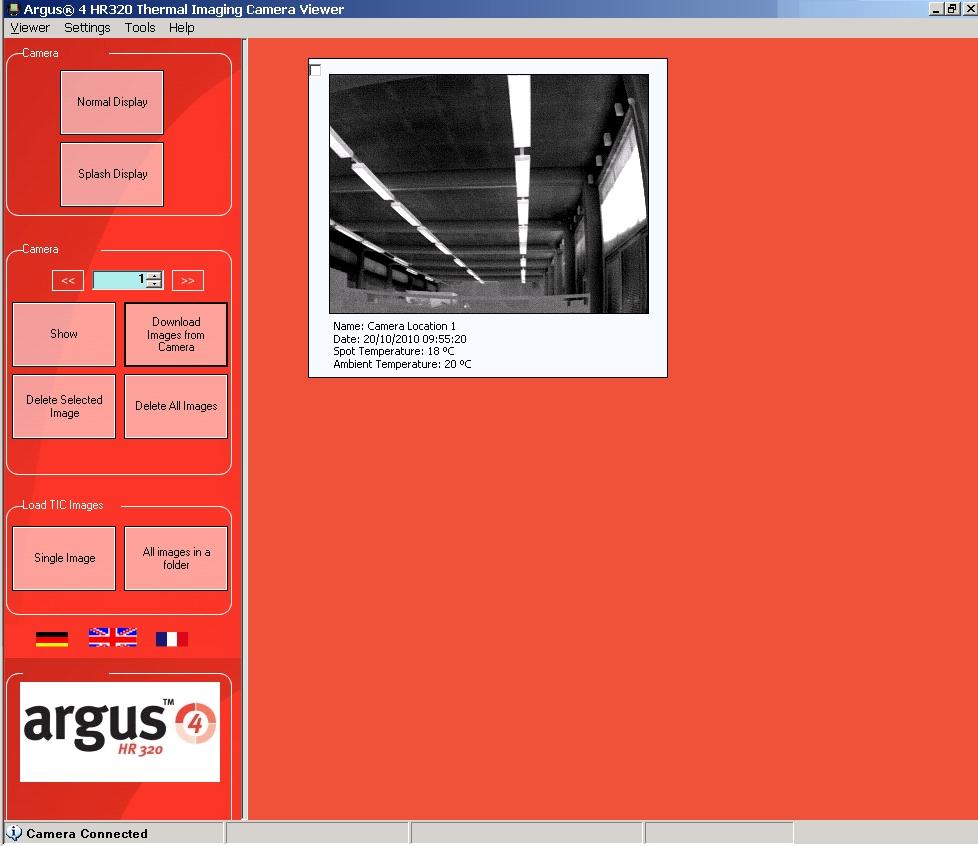
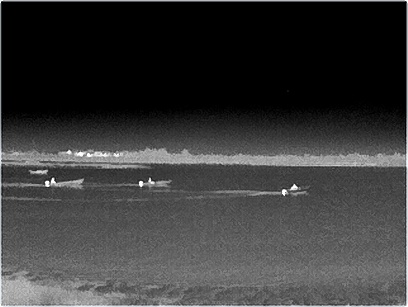
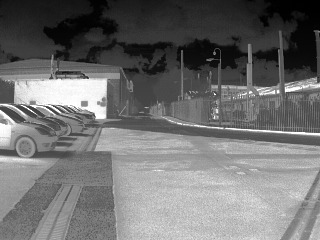
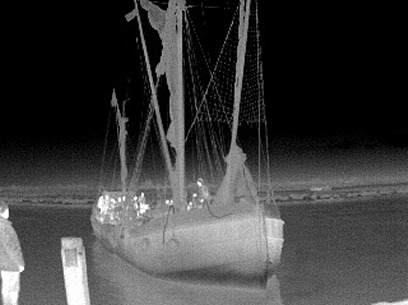
| Image Processing | Bolometer sensors require calibration and also 'on the fly' blank field correction using a periodic shutter. Various algorithms to present the huge dynamic ranges of a fire scene with false colour choices. 160x120 pixel sensors scale up 2x. |
| Manufacturer Status | New build ceased 2019, although promotion ended earlier in favour of MiTIC series. Spares and repairs are no longer supported by Avon. |
| Number and Years Built | High 1000's from 2006 - 2019 |
| Export Status | Dual use controlled under Wassenaar Arrangement unless a 9Hz limited type. |
| Publicity | Argus 4 datasheet Argus 4 user manual |